
Let me start by telling you that everyone has a pelvic floor, whether you are male or female and that it forms part of a closed cannister in the body. The closed cannister (aka your Core) consists of the diaphragm on top, deep abdominal muscles in front, deep back muscles at the back and ultimately the pelvic floor muscles on the bottom. The pelvic floor itself consists of a variety of muscles which have specific functions relating to its location and the anatomy around it. I will be explaining this with regards to female anatomy and function.
So, let’s find the pelvic floor: The pelvic floor muscles form a bowl or a sling at the bottom of your pelvis. Sometimes it is easy to imagine it as a hammock which connects from the front of your pubic bone (the hard bone in the front of your pelvis where your genitals are) all the way to your coccyx (tailbone) at the back. It is quite a wide ‘hammock’ and also has attachments on the sides of the pelvic bowl. So, basically all the muscles in your genital area between your legs form the pelvic floor. There are multiple pelvic floor muscles which “wrap” around the urethral opening, vaginal opening and anus in females. All the openings are supported and connected via the pelvic floor muscles. (In males they “wrap” around the base of the penis and testicles as well as around the anus.)
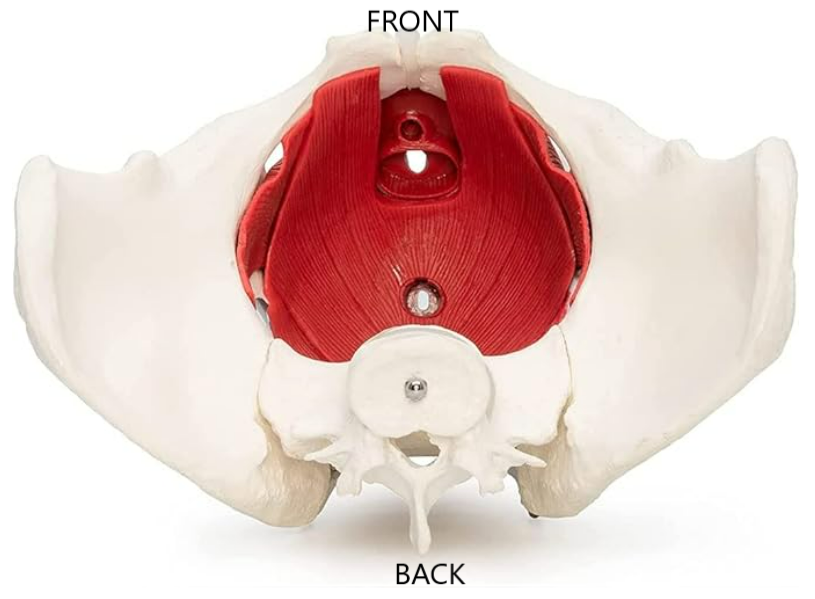
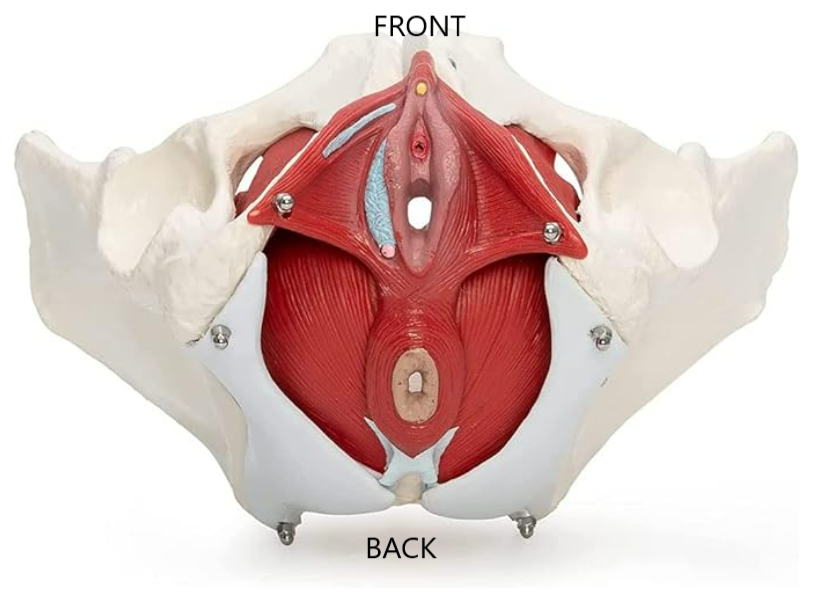
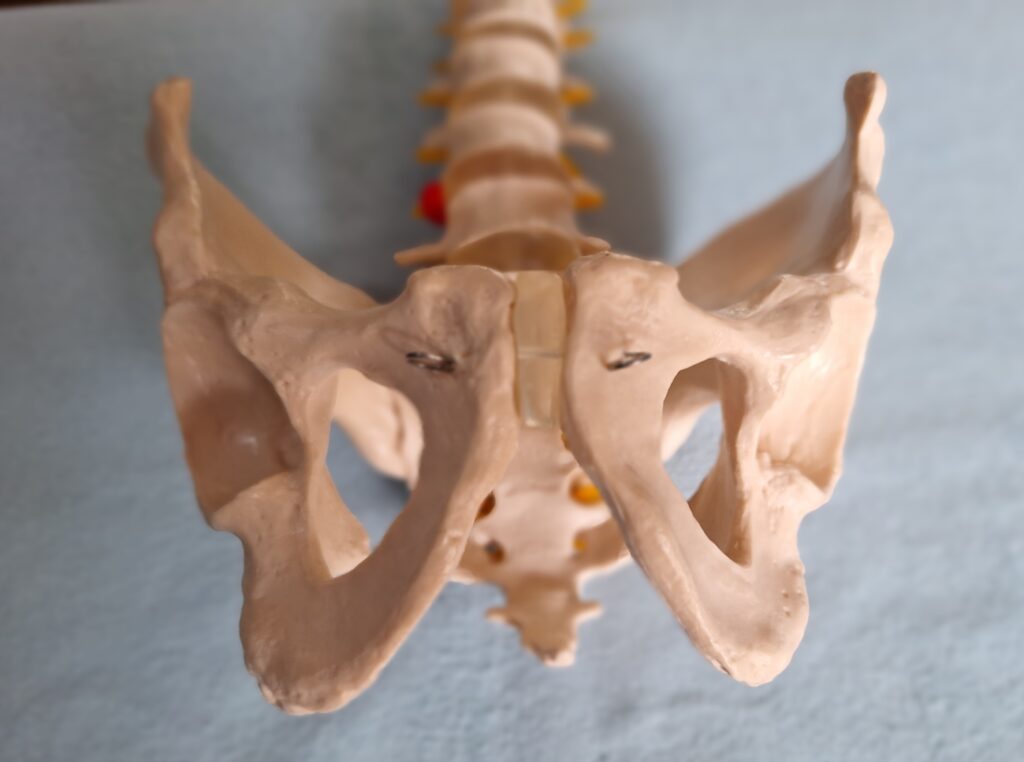
Now that you have an idea of where to look and feel for your pelvic floor, I want you to perform a fake loud cough and focus on the feeling you get in your pelvic floor. Feel how it tightens as your stomach braces during the cough? This brings me to the next part, the functions of the pelvic floor muscles.
- Support for your pelvic organs:
If you were to ‘take out’ the organs and look down into the pelvis, or pelvic bowl, you will see how the muscles look like they form a bowl at the base with holes in them for the urethra, vagina and rectum. Now imagine the pelvic floor muscles weren’t there, how will your organs stay up and in place? The bladder, uterus and rectum are supported in females and this is the order in which they are arranged from front to back within the body. The pelvic floor muscles provide support during activities (jump, sneeze, cough, run, straining etc) which can produce pressure downwards by keeping the organs in place and preventing them from falling or protruding through the holes. This occurrence is called a Prolapse and can happen if your pelvic floor muscles are too weak.
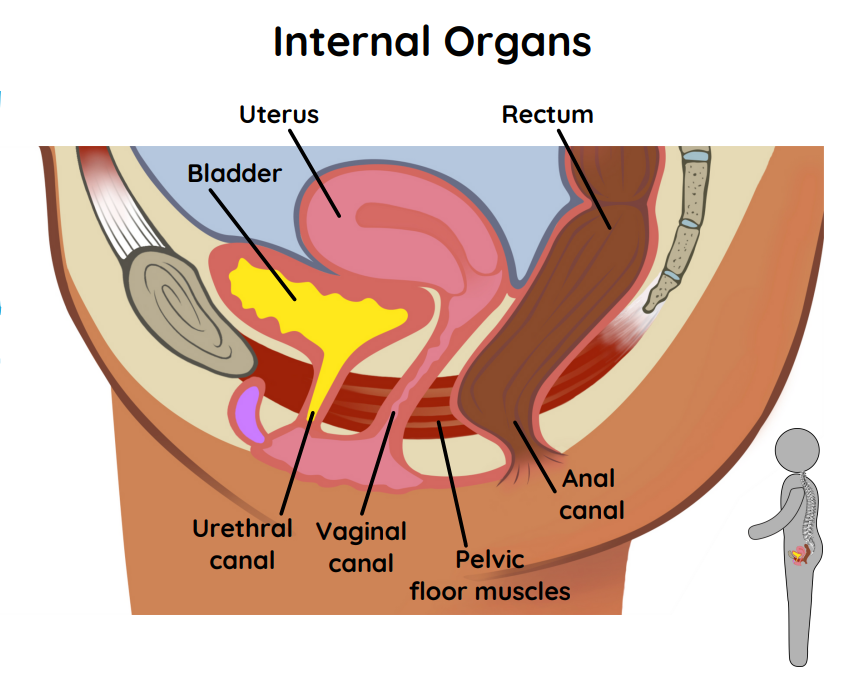
2. Maintaining Continence:
Continence is the ability to control bladder and bowel movements thus preventing leaking or accidents. The pelvic floor muscles are part of the reason we don’t leak all the time. Our sphincters are at the openings of the urethra and anus and help maintain continence in coordination with the pelvic floor muscles. Not only do they provide continence during the day but also during urgency to urinate or have a bowel movement. They also help prevent us from leaking when we cough or sneeze or jump, with or without a full bladder or bowel. This is due to a coordination between contraction and relaxation. Continence needs to be unconscious and happen spontaneously most of the time, but in times of urgency some conscious contraction is needed.
3. Sexual function:
Pelvic floor muscles need to be able to fully contract and relax, like any other muscle in the body. Imagine having a bicep muscle that keeps your arm stuck in a bent position halfway. If this happens the elbow won’t be able to bend or straighten fully causing it to be a dysfunctional muscle and body part. During penetrative intercourse the pelvic floor muscles need to relax and accommodate in order to allow penetration. This is important for enjoyable and pain free intercourse. This is not the same as your pelvic floor muscles being lax or not ‘tight enough’. A muscle that is able to relax as it should is a functional muscle. Contraction of the pelvic floor muscles contribute towards orgasms. Proper functioning pelvic floor muscles provide strength and proprioception. Proprioception is the sense that helps us perceive or feel movement, action and direction of a body part. Therefore, the contraction and relaxation have a big influence on the quality of intercourse you are having.
4. Control and general movement of the hips and pelvis:
The pelvic floor muscles form a base from where movement and weight transfer can occur. Many painful symptoms such as lower back pain, coccyx pain, hip and groin pain involve pelvic floor. When there is tightness, weakness or dysfunction these symptoms might occur- this is the case with all skeletal muscles in the body. Movement of your body, especially involving your back, pelvis, hips and abdominal muscles, is linked with your pelvic floor and one can’t function properly without the other. Your pelvic floor muscles are involved and need to activate in almost all movements, especially lower body weight shifting.
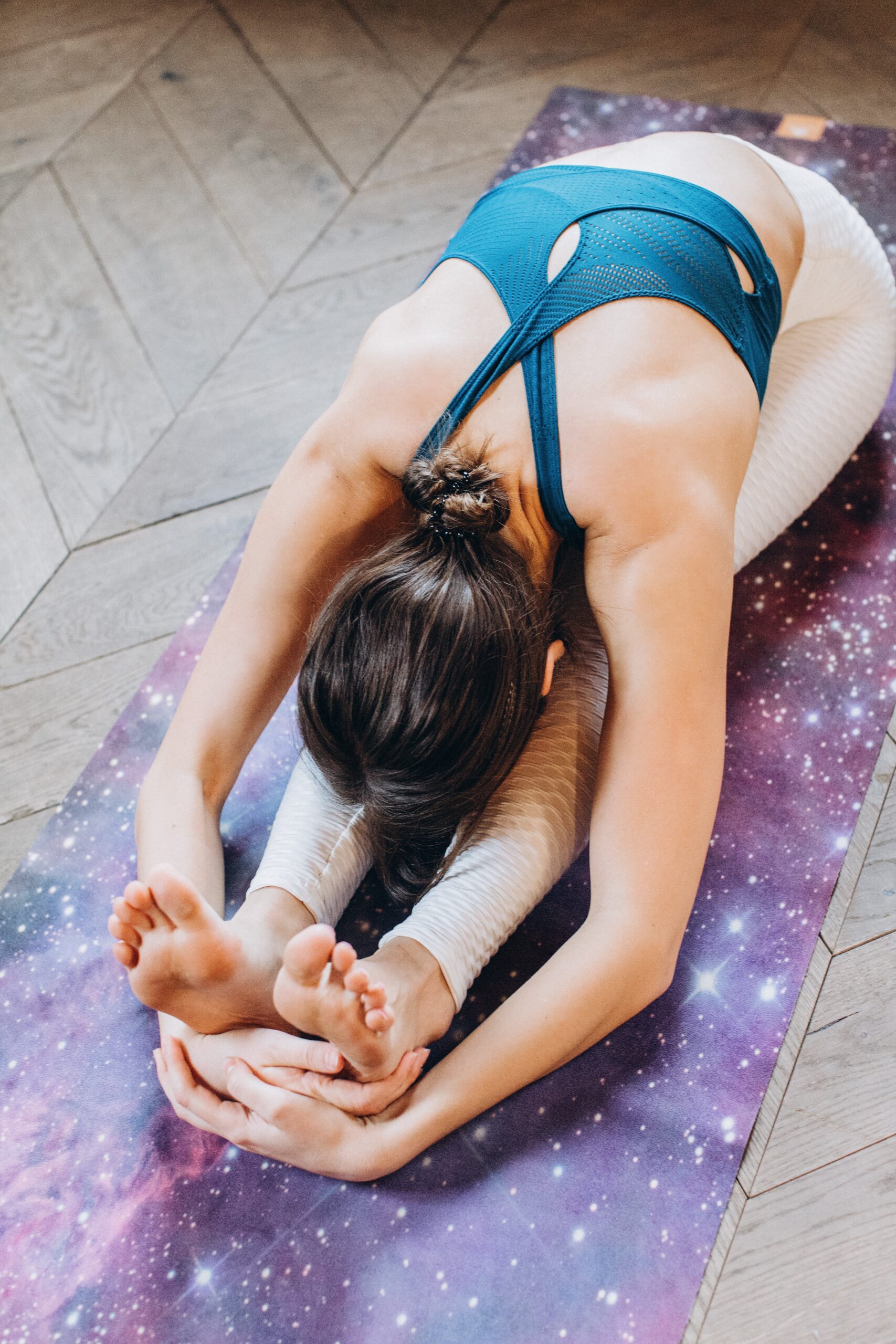
The pelvic floor can be difficult to understand therefore it is imperative to know where it is, what it entails and how it works. Many people live their life without ever being aware of their pelvic floor and its function. In the next blog I will be discussing how breathing is connected to the pelvic floor and why it is referred to as a muscle which forms part of the “closed cannister” in our bodies.
