

Where is the perineum?
It is the area from the vagina to the anus, the area between these openings.
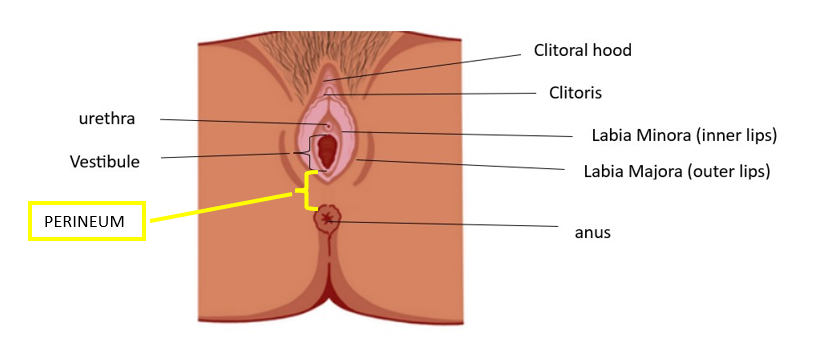
Perineal tearing can happen during child birth while pushing, it is quite common and most first-time moms will experience this during their first child birthing process. Tearing can happen in different directions along the perineum, when Doctors notice the perineum might tear badly or if the perineal skin is not moving or opening up enough to let baby through the vaginal opening, they will perform a controlled and skilled surgical cut/incision called an episiotomy. Stitches will be put in after perineal tearing depending on the grade as well as after the episiotomy.
But don’t worry, there are things to be done to prepare for this, to help minimize tearing and to help the healing process (always consult with your medical professional first- Gynae, midwife, pelvic floor physio):
1.Perineal Massage: perineal massage can be done daily from 34 weeks (3rd trimester) during pregnancy. This helps prepare the perineum and skin, helps with mobility and elasticity of the perineal skin to minimize tearing and helps with comfort during birth. You want to avoid the need for an episiotomy or a grade 3 or 4 tear where possible.
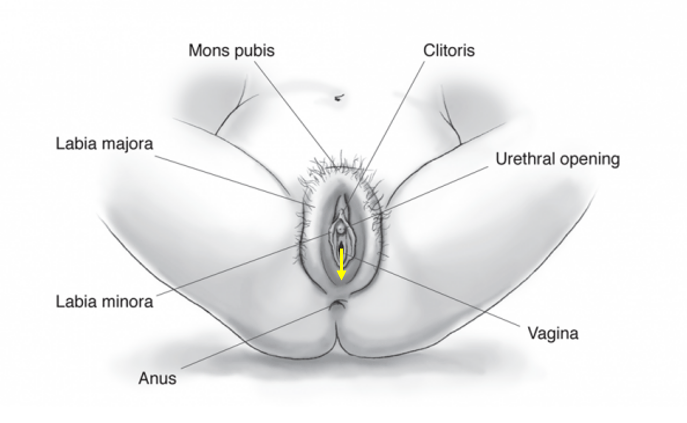
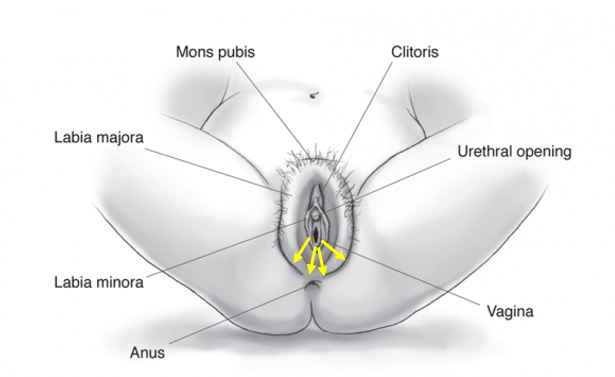
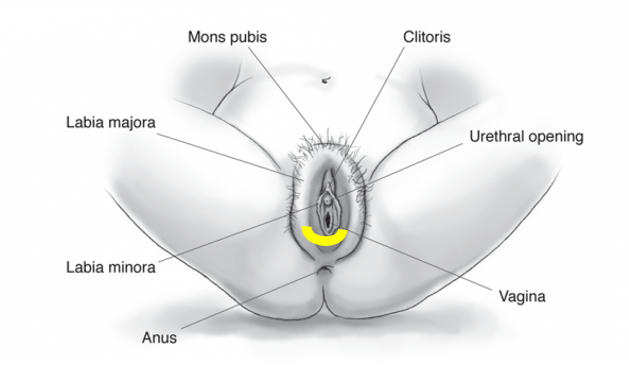
*Perineal massage can be done with 1-2 lubricated fingers (your own or your partner’s) for 5-10minutes. Gently apply pressure and focus on relaxation of the pelvic floor and gentle stretching of the perineum. Downward pressure can be applied on the bottom part of the vaginal entrance, side-side motion with your thumb at the entrance of the vagina, circular motions around the vaginal opening and perineum, pressure with holds at different areas of the perineum can be performed (think of the bottom half of a clock from positions 3 to 9). Consult with a pelvic floor physiotherapist about perineal massage.


2.Pelvic floor mobility exercises: Consult with a pelvic floor physiotherapist about the type of mobility exercises to do for your back, hips and most importantly your pelvic floor muscles. This can really assist you with the birthing process and minimize the strain on you and your pelvic floor.
3.Birthing positions: Choose the most comfortable and safe position for you, side-lying with one leg up during birth is a good option or being on your hand and knees with knees turned inwards. Being on your back is not the only position and the medical professionals with you in the birthing room should support you and help you with the positions best suited for you in that situation. You don’t have to be stuck in the same position the whole time.
4.Avoiding constipation: constipation can lead to straining on the toilet. Try to minimize the risk of strain on the perineum and stitched area after birth by using a poop-stool/squatty potty. Stay hydrated, eat fibre rich foods, provide support to your perineum while on the toilet.
5.Warm compression: A warm compress during the crowning process can aid to relieve pain and discomfort in the perineal area.
6.Hygiene: prevent infection in the torn area by keeping the tear clean and sterilized after birth. If increased temperature, increased pain, increased bleeding and foul odour occur- speak to your doctor.
7.Pain management: ice-packs/pads, pain medication (prescribed by your doctor), sitz-baths and topical creams can aid in healing and pain management after birth.
